
Overview
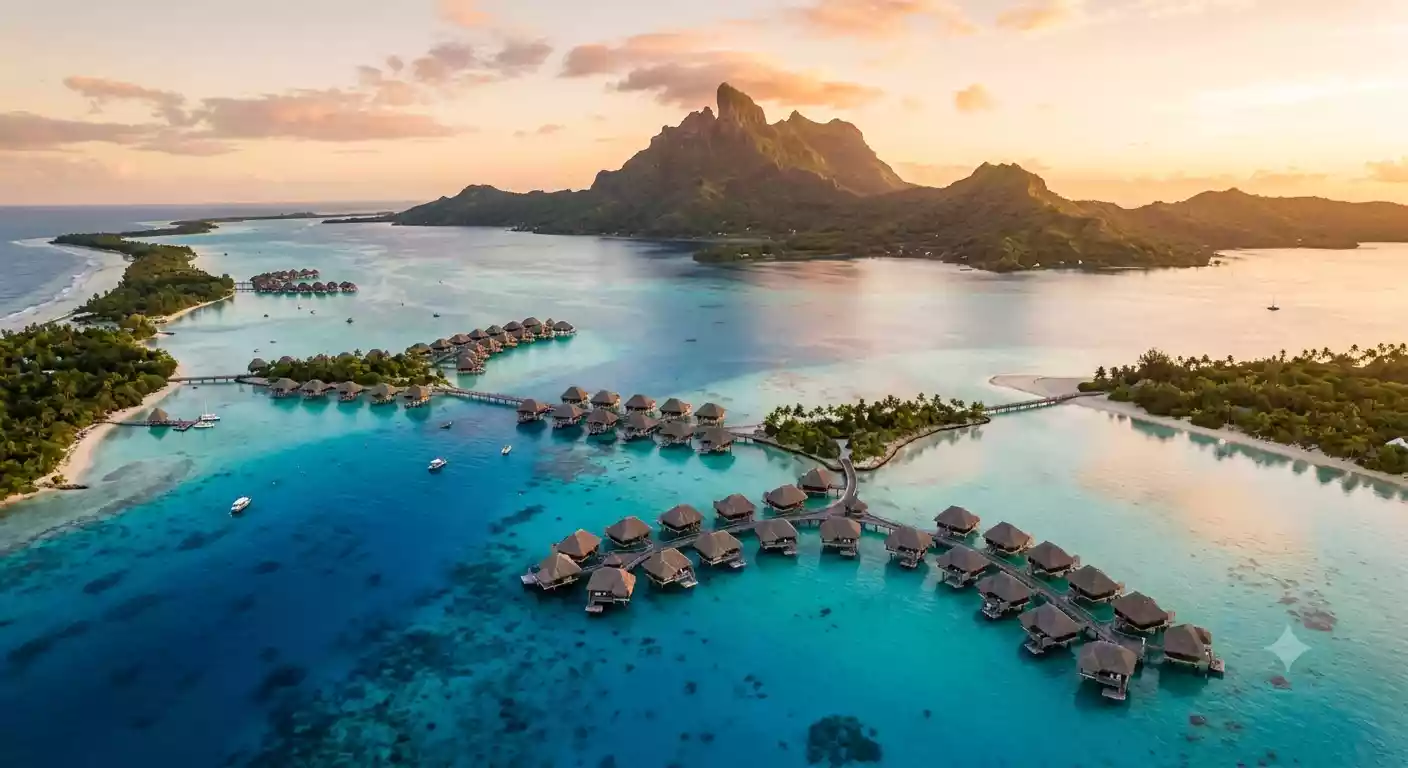
Bora Bora sits inside a barrier reef in French Polynesia, roughly a 50-minute connecting flight from Tahiti’s Faa’a Airport. The island itself is small — you can drive its coastal road in under two hours — but the lagoon around it is the real destination. Most travelers never set foot on the volcanic interior at all; their entire trip happens on stilted platforms over the water and in the shallow, sandy-bottomed lagoon that surrounds Mount Otemanu.
This guide is built around the decisions that actually change how a Bora Bora trip goes: which motu (islet) your resort sits on, how you get from the airport to your room, when the trade winds make the lagoon choppy, and where the extra fees hide in a bill that already starts north of $1,000 a night. If you’re comparing it against the Maldives or Fiji, our Bora Bora vs. Maldives vs. Fiji comparison covers the logistics side by side.
Why These Tips Matter
Bora Bora is unforgiving of planning mistakes in a way that cheaper destinations aren’t. There’s one small airport, one boat transfer system, and a limited number of restaurants outside your resort. Book the wrong week and you’ll spend your honeymoon watching rain sheet across a lagoon that photographs turquoise the other eleven months of the year. Book the wrong room category and you’ll pay overwater prices for a view that’s actually a garden bungalow with a partial water glimpse. None of this is disclosed clearly at checkout — it’s the kind of detail you only learn from someone who’s already made the mistake.
Common Mistakes Travelers Make
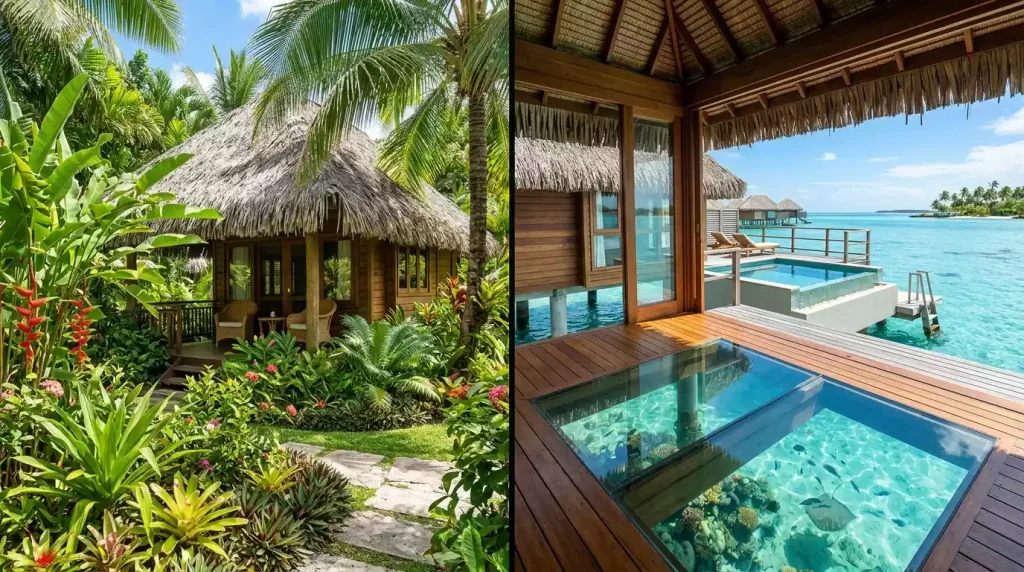
- Booking a “lagoon view” room expecting an overwater bungalow. Resorts use at least four room tiers — garden, beach, lagoon, and overwater — and the price jump between the middle two is often smaller than the experience gap.
- Flying in and out on the same day as their international connection. Tahiti-Bora Bora flights run a handful of times daily; miss the last one and you’re stuck overnight in Papeete.
- Assuming meals are included. Many listed “half-board” packages cover breakfast and one set menu — à la carte dinners and all drinks are usually extra, and a bottle of house wine can run $60–90.
- Not budgeting for the boat transfer. Round-trip resort boat shuttles from the airport frequently cost $150–300 per person and are rarely bundled into the room rate shown during booking.
- Packing reef shoes as an afterthought. The lagoon floor near many overwater bungalows is a mix of sand and coral rubble; bare feet get cut more often than travelers expect.
Essential Travel Tips
Confirm your resort’s boat schedule before you finalize flight times — some properties only run transfers to meet specific incoming flights, and arriving outside that window means an expensive private boat. Bring a printed or downloaded copy of your resort reservation; airport staff and boat crews check names against a list rather than a digital system.
French Polynesia uses the CFP franc, not the euro. Some resorts price everything in euros or US dollars for tourists’ convenience, but small vendors and roadside stalls in Vaitape (the main town) deal in CFP, and ATMs there dispense CFP only.
Money-Saving Tips
- Book an overwater bungalow at a mid-tier property (Le Méridien, Sofitel) rather than the top-tier names if the room itself matters more to you than the brand — the water and view are the same lagoon.
- Eat one meal a day outside the resort. A ferry or rented boat to Vaitape opens up local snack trucks (“roulottes”) serving poisson cru and grilled fish for a fraction of resort restaurant prices.
- Travel in shoulder months (April–May or October–November) when room rates can drop 15–25% but the weather is still largely dry.
- Skip the resort’s private lagoon tour and book directly with a local operator in Vaitape — the boats and guides are frequently the same, minus the markup.
- See our guide to traveling on a budget without sacrificing comfort for tactics that translate well to high-cost islands like this one.
Safety Tips
Bora Bora has a low violent crime rate, and the real safety concerns are environmental rather than personal. Reef cuts are the most common injury — wear water shoes when wading near coral. Sun exposure is intense at this latitude even on overcast days; reapply reef-safe sunscreen every 90 minutes if you’re snorkeling. Currents around channel openings in the barrier reef can be strong, so stick to guided snorkel and shark-ray feeding sites rather than swimming out on your own. Tap water at resorts is generally treated and safe to drink, but many properties still supply bottled water by default — ask if you’d prefer to skip it and reduce plastic waste.
Transportation Tips
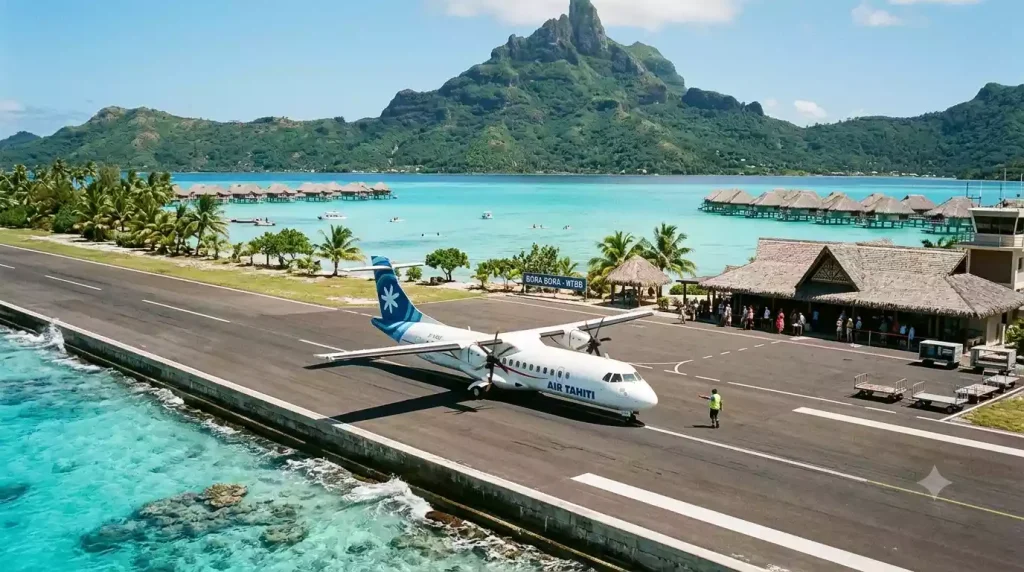
There’s no direct international flight to Bora Bora — every visitor connects through Tahiti’s Faa’a Airport (PPT), then takes a roughly 50-minute Air Tahiti flight to Bora Bora’s airport, which sits on its own small motu. From there, transportation is entirely by boat; there’s no bridge to the main island. Most resorts run their own shuttle boats timed to flight arrivals, and this transfer is often the single most expensive line item people forget to budget for.
On the main island itself, a single paved road circles the coastline. Renting a bicycle or scooter for a half-day is the cheapest way to see the interior and stop at roadside lookouts like Matira Point. Taxis exist but are limited and not metered in a standardized way — agree on a price before getting in.
Accommodation Tips
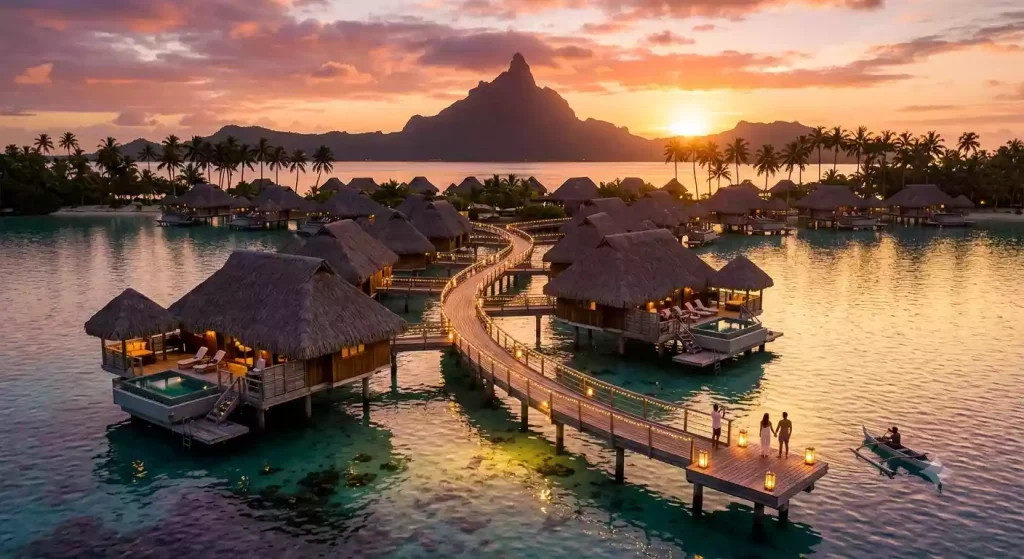
Overwater bungalows dominate Bora Bora’s reputation, but they’re not the only smart option. Beachfront bungalows are typically 30–40% cheaper and put you closer to the sand and snorkeling reef edge, which some travelers actually prefer over a mid-lagoon platform. If you’re weighing the two, our overwater bungalow vs. villa comparison breaks down what you’re really paying for in each.
Two properties worth researching directly are the Four Seasons Resort Bora Bora, known for its reef-facing overwater units, and the St. Regis Bora Bora Resort, which has some of the largest lagoon suites on the island. If you’re benchmarking against overwater properties elsewhere in the world, see our roundup of the best overwater bungalows in the world and most beautiful underwater hotels.
Food and Dining Tips
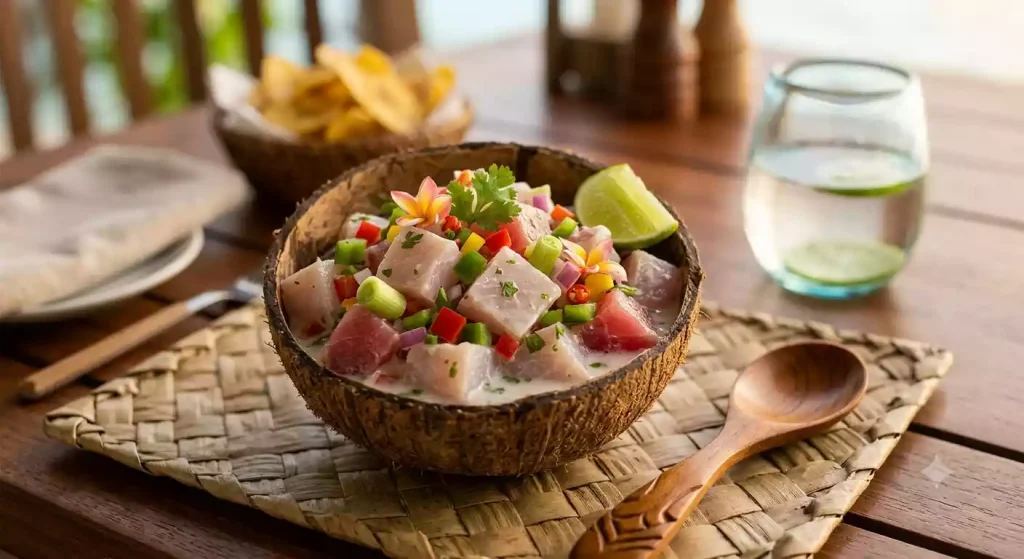
Resort dining on Bora Bora is expensive by almost any global standard — expect $40–70 per person for a casual dinner and significantly more at signature restaurants. Poisson cru, raw fish marinated in lime and coconut milk, is the dish to seek out specifically and is usually done better at smaller, family-run spots than at resort buffets. If your resort offers a half-board package, ask exactly what’s included before arrival; “dinner included” sometimes means a fixed three-course menu with no substitutions, and ordering off the à la carte menu instead resets you to full price.
Best Time to Travel
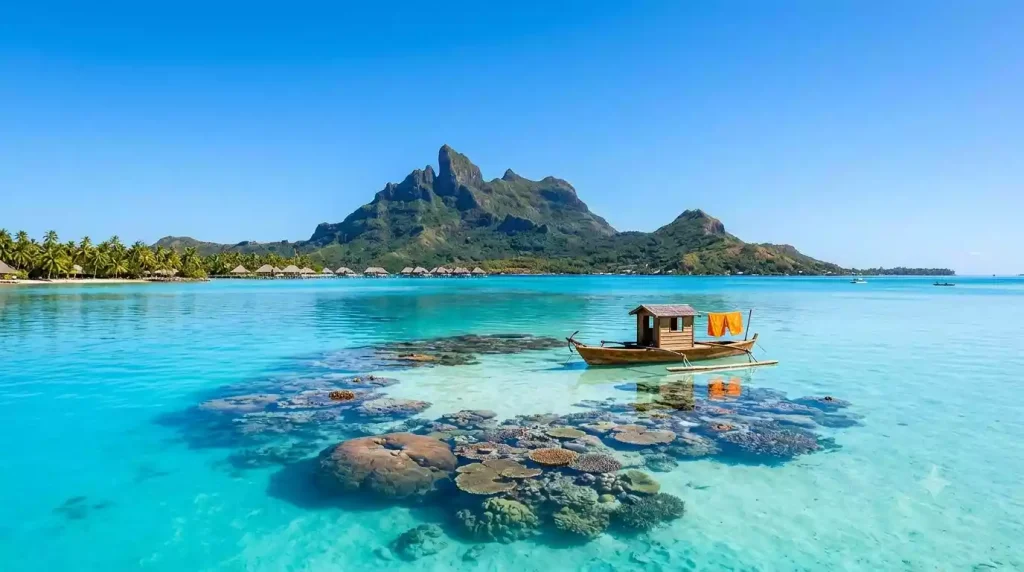
The dry season, roughly May through October, brings the least rainfall and the calmest lagoon conditions — this is peak season, and prices reflect it. November through April is warmer and wetter, with occasional tropical storm activity, but it’s also when overwater bungalow rates can drop noticeably and the island is far less crowded. July and August carry the highest prices of the year due to European and North American school holidays; if flexibility allows, June or September often deliver similar weather for less money.
Local Etiquette and Culture
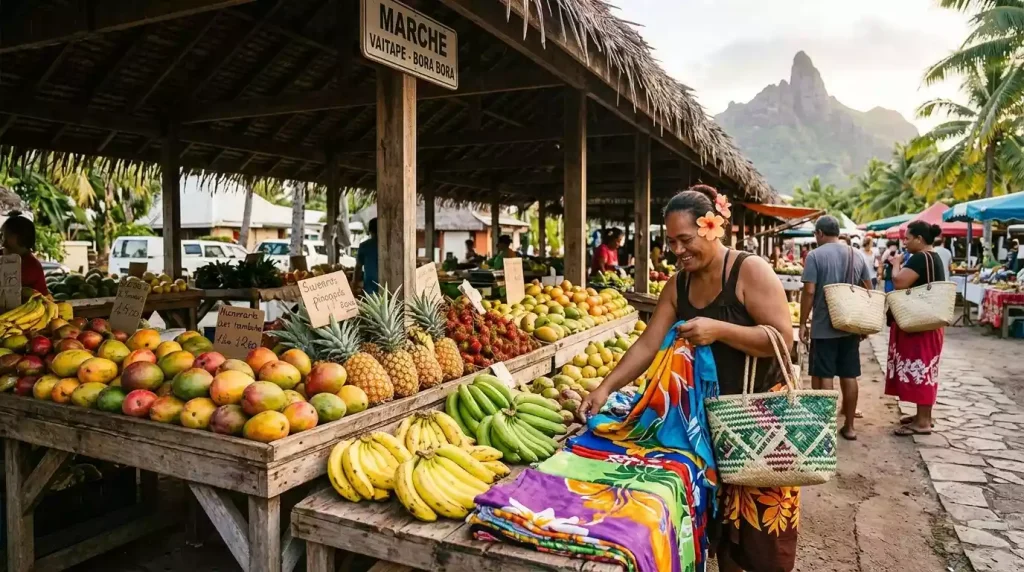
French is the administrative language, though Tahitian is widely spoken and island identity is distinct from mainland France. A simple “Ia ora na” (hello) or “Māuruuru” (thank you) is noticed and appreciated by staff who deal mostly with English- and French-speaking tourists. Tipping isn’t a deep-rooted local custom, but many upscale resorts have adapted to international guests and quietly welcome it for exceptional service — check your bill for a service charge first, since some already include one.
Packing Tips
- Reef-safe sunscreen (many properties enforce this and will confiscate non-compliant bottles)
- Water shoes for wading near coral
- A light rain shell, even in dry season — squalls pass through quickly
- A dry bag for boat transfers, which occasionally involve sea spray
- Cash in small CFP denominations for local vendors who don’t take cards
For a broader packing checklist that applies beyond island trips, see our ultimate travel packing checklist.
Insider Tips
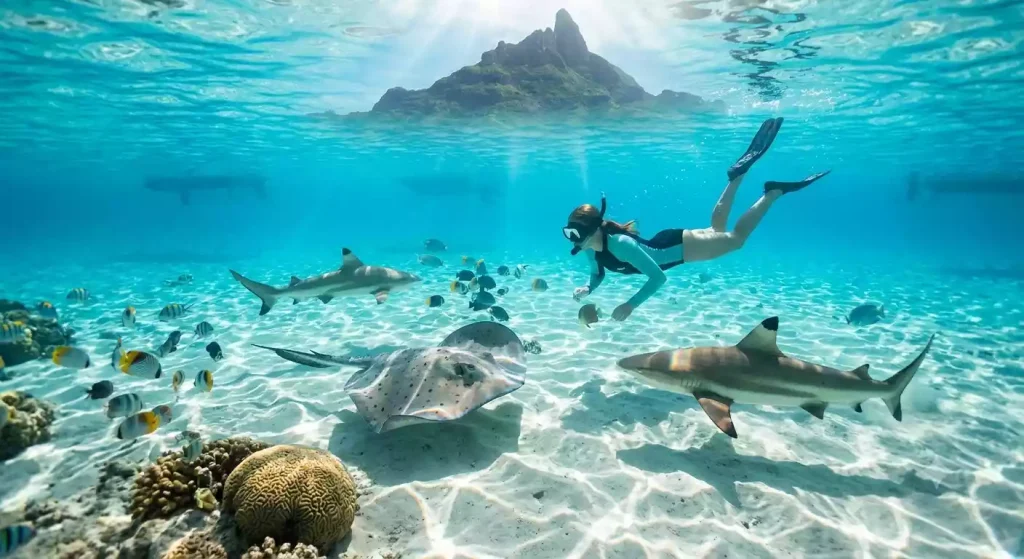
Ask specifically for a bungalow number when booking rather than trusting “overwater” as a category — units at the end of a pontoon often have better privacy and deeper water for swimming directly off the deck than units near the walkway. Sunset viewing is best from the western-facing motus; if photography matters to you, this is worth checking before you’re assigned a room. Shark and ray feeding excursions are heavily marketed by every resort at similar prices — book through a local Vaitape operator instead and expect to save 20–30%.
Pros and Cons
| Pros | Cons |
|---|---|
| Genuinely calm, shallow lagoon suited to swimming and snorkeling | Among the most expensive destinations per night in the world |
| Overwater bungalow experience with direct lagoon access | Limited dining options outside resort properties |
| Low crime, straightforward for solo and couple travelers | Getting there requires two flights minimum |
| Dry season offers highly consistent weather | Cyclone season (Nov–Apr) brings real rain risk |
How These Tips Were Selected
This guide draws on traveler trip reports and reviews of specific resorts, conversations with local tour operators about transfer and excursion pricing, and comparisons of published resort rate sheets across booking seasons. Transportation guidance reflects the actual Air Tahiti flight schedule and boat transfer policies published by individual properties, rather than general assumptions about island travel. Budgeting figures are drawn from current published resort and excursion pricing rather than averaged estimates, and safety notes reflect commonly reported hazards — reef cuts, sun exposure, and channel currents — rather than generic warnings.
Final Travel Advice
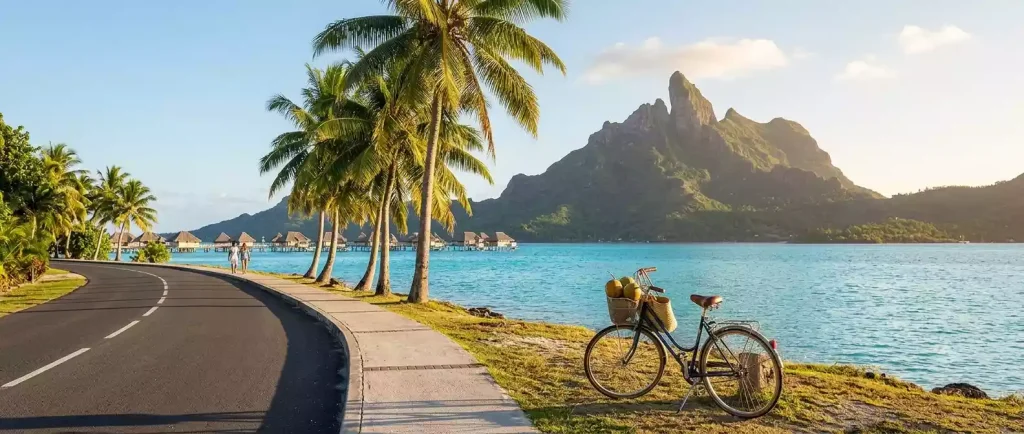
Bora Bora rewards specificity. The travelers who leave disappointed usually booked based on a photo of someone else’s bungalow rather than checking their own room’s location, view, and what was actually included in the nightly rate. Confirm your transfer schedule, know your meal plan in detail, and treat the lagoon as the main event rather than an amenity — the island road, by contrast, can be seen in an afternoon. If you’re still deciding between destinations, our Maldives travel guide and best honeymoon destinations roundup are useful side-by-side reads before you commit.
Frequently Asked Questions
How many days do you need in Bora Bora?
Four to five nights is enough to settle into the lagoon, do one or two excursions, and avoid feeling rushed, without paying for days you’ll spend repeating the same activities.
Is Bora Bora expensive to visit?
Yes — overwater bungalows commonly start around $800–1,000 per night at mid-tier resorts and climb well past $2,000 at top properties, before meals, transfers, and excursions.
Do you need a passport and visa for Bora Bora?
A valid passport is required for all foreign visitors. Many nationalities, including US, UK, EU, and Canadian citizens, don’t need a visa for stays under 90 days, but requirements should be confirmed against current French Polynesian entry rules before booking.
You May Also Like

What is the best month to visit Bora Bora?
June and September tend to offer dry-season weather with somewhat lower rates than the July–August peak.
Is Bora Bora good for families, or mainly couples?
It’s marketed heavily toward couples and honeymooners, but several resorts do accommodate families with connecting rooms or family suites — it’s worth confirming child policies directly, since some adults-only properties exist.
What currency is used in Bora Bora?
The CFP franc (XPF) is the official currency, though many resorts also quote and accept euros or US dollars.
How do you get around Bora Bora once you arrive?
Resort boats handle transfers to your bungalow; on the main island, rented bicycles, scooters, or informal taxis cover the coastal road.
Can you swim directly in the Bora Bora lagoon?
Yes, and it’s one of the calmest lagoons for swimming in the region, though water shoes are recommended near coral patches.
What’s the difference between Bora Bora and the Maldives?
Bora Bora has one central island with a barrier reef lagoon, while the Maldives is spread across many separate atolls — meaning island-hopping and diverse reef access are easier in the Maldives, while Bora Bora offers a more contained, single-lagoon experience.
Is tipping expected in Bora Bora?
It’s not a strong local tradition but is increasingly accepted at international resorts; check your bill for an included service charge before adding more.
What should I pack that people usually forget?
Reef-safe sunscreen and water shoes are the two most commonly forgotten items that travelers end up buying at inflated resort prices.