
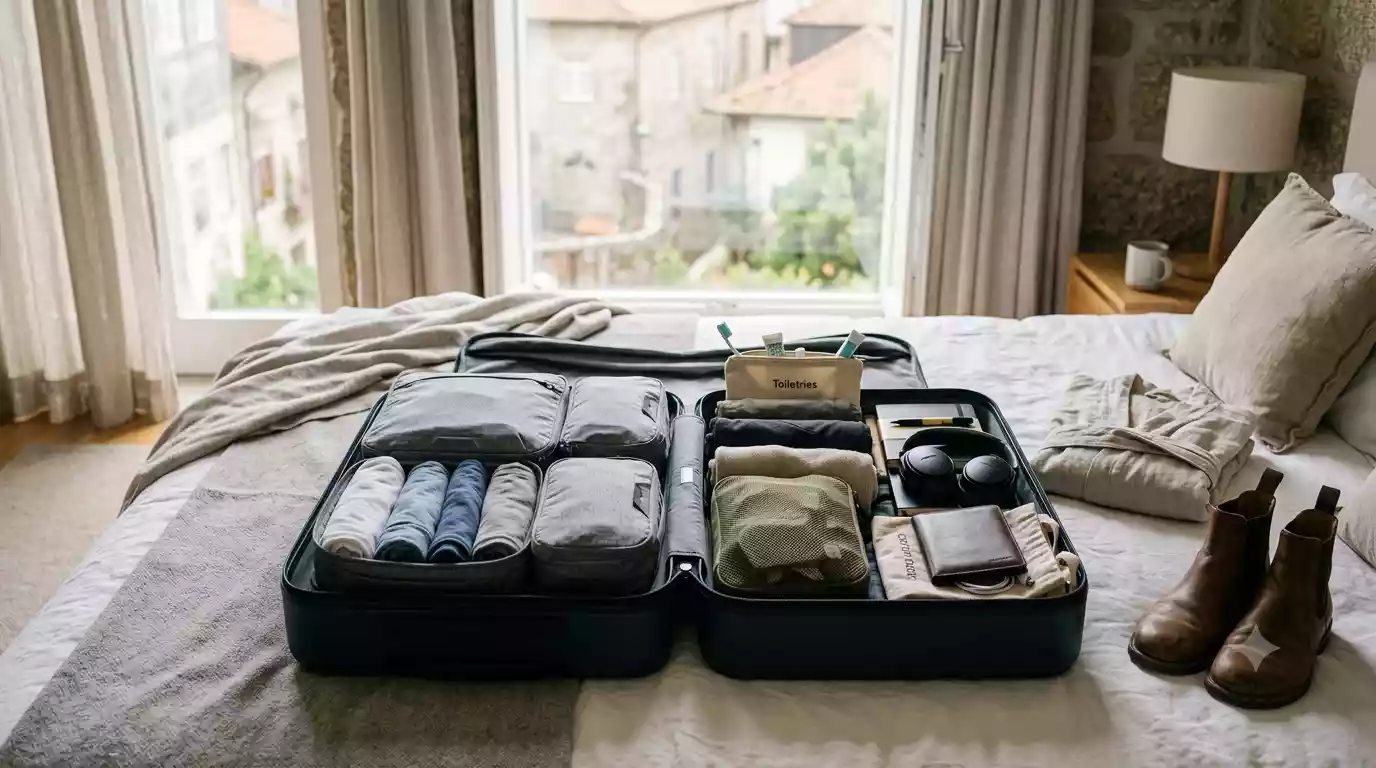
A complete travel packing checklist by category, plus the specific packing mistakes that cause the most stress at the airport.
Packing well is a skill, not a personality trait. Some travelers seem to throw a bag together in ten minutes and land with everything they need. Others spend two hours packing and still forget a charger. The difference usually isn’t effort — it’s whether they’re working from a real checklist or just packing from memory.
This travel packing checklist covers every major category: documents, clothing, toiletries, electronics, health essentials, and carry-on priorities. It also flags where most packing mistakes actually happen, since a checklist only helps if it catches the things people forget most often.
For the planning steps that come before packing, see our How to Create the Perfect Travel Itinerary and How to Plan an International Trip for the First Time.
Why a Packing Checklist Actually Matters
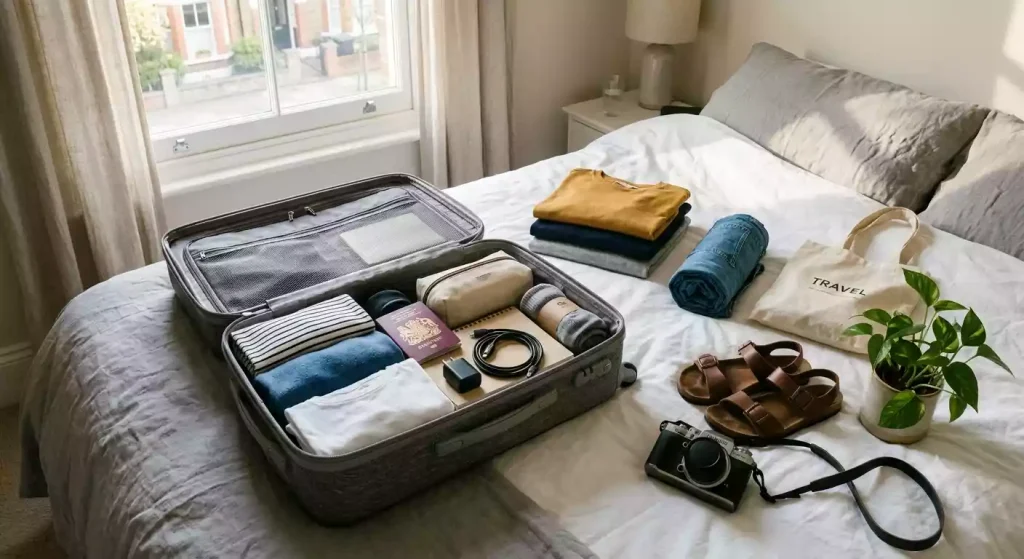
A checklist isn’t about being overly cautious. It solves a specific problem: packing under time pressure means the brain defaults to what’s easy to remember, not what’s actually important. Chargers, medication, and travel documents get forgotten disproportionately often, precisely because they’re small and easy to overlook next to bigger items like clothing.
A good checklist also saves money. Forgotten sunscreen, adapters, or toiletries usually get bought again at inflated tourist prices. Packing correctly the first time avoids that entirely.
Essential Travel Documents
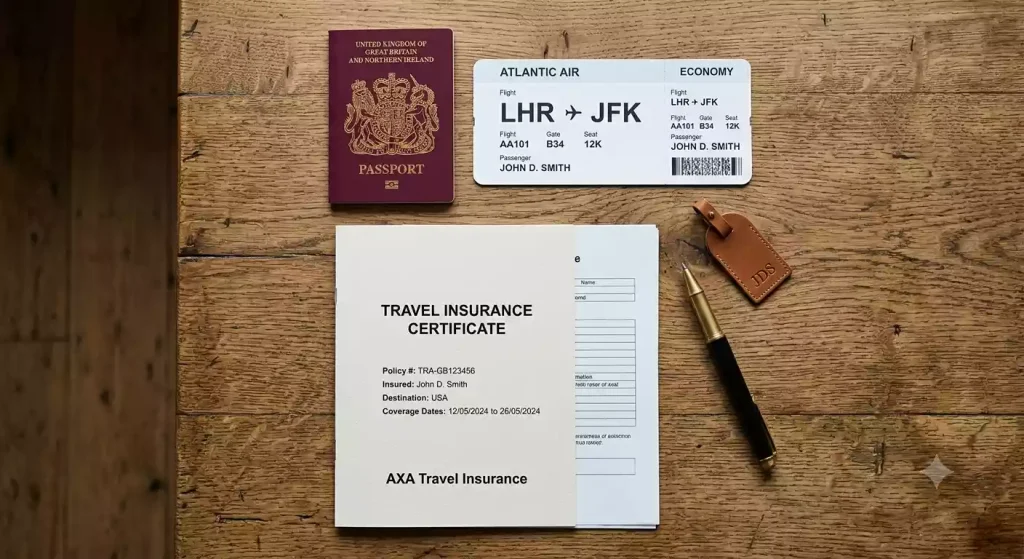
Documents come first, before any clothing gets packed. Losing a shirt is an inconvenience. Losing a passport can derail an entire trip.
- Passport (valid for at least 6 months beyond your travel dates for most countries)
- National ID card or driver’s license
- Flight tickets and boarding passes (digital and printed)
- Hotel reservation confirmations
- Travel insurance documents and policy number
- Visa documentation, if required for your destination
- Emergency contact information
- Physical and digital copies of every document above
Store a scanned copy of your passport and insurance documents in cloud storage. If the physical copies are lost or stolen, this single step can save days of delay at an embassy or consulate.
Clothing: Pack for Versatility, Not Volume
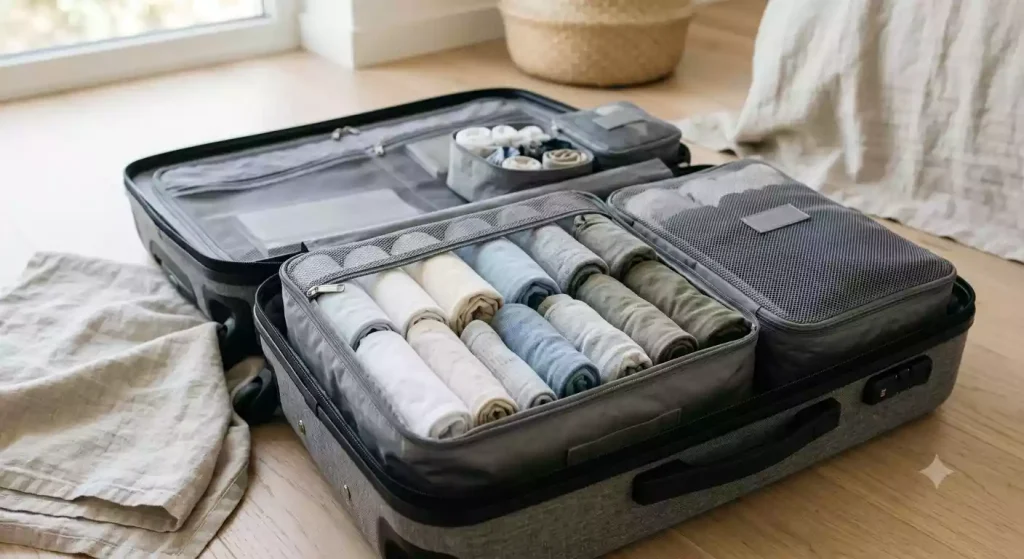
Clothing is where most overpacking happens. The fix isn’t packing less — it’s packing pieces that combine with each other, so ten items produce fifteen outfits instead of ten.
Tops
- T-shirts and casual tops
- One lightweight sweater or layer
- One formal shirt, if the trip requires it
Bottoms
- Comfortable pants or jeans
- Shorts, for warm-weather destinations
- A skirt or dress, if relevant to your trip
Outerwear
- A packable rain jacket
- A light jacket for cool evenings
- A warm coat, only if the destination genuinely requires it
Footwear
- One pair of comfortable walking shoes, already broken in — never pack brand-new shoes
- Sandals or flip-flops for beach or shower use
- Dress shoes, only if the itinerary calls for them
A simple rule: lay out everything you plan to pack, then remove one-third of it. Most travelers still come home with unworn clothing even after doing this.
Toiletries and Personal Care
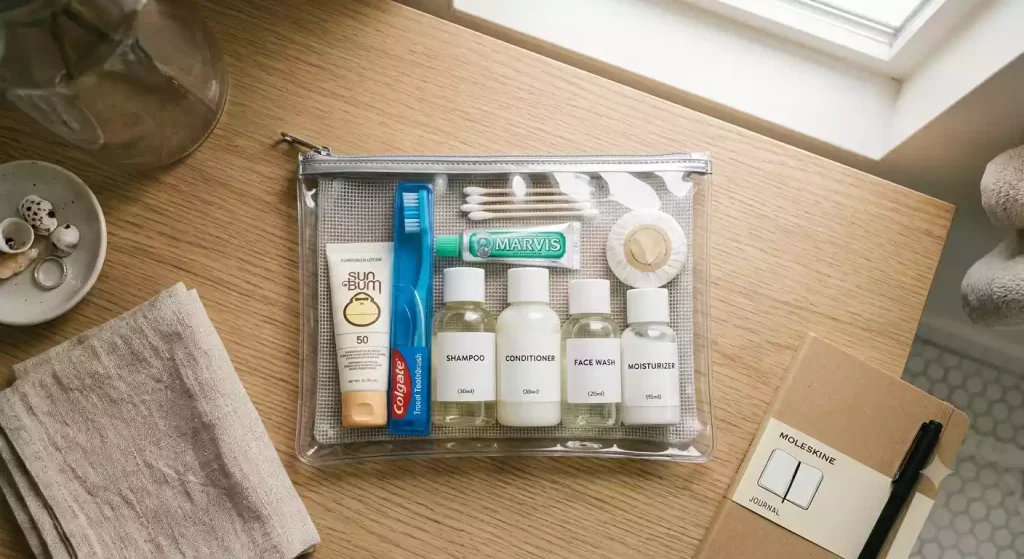
Airline liquid restrictions matter here. Most countries cap carry-on liquids at 100ml (3.4oz) per container, all fitting inside a single clear quart-sized bag. Anything larger needs to go in checked luggage.
- Toothbrush and travel-sized toothpaste
- Shampoo, conditioner, and body wash (100ml or under for carry-on)
- Deodorant
- Sunscreen — reef-safe if you’re visiting a coral coastline
- Moisturizer and lip balm
- Tissues, wet wipes, and hand sanitizer
- Razor and personal hygiene items
Pack toiletries in a separate waterproof pouch. A single leaked bottle can ruin an entire bag of clothing, and this is one of the most common packing complaints travelers report after a trip.
Electronics and Travel Gadgets
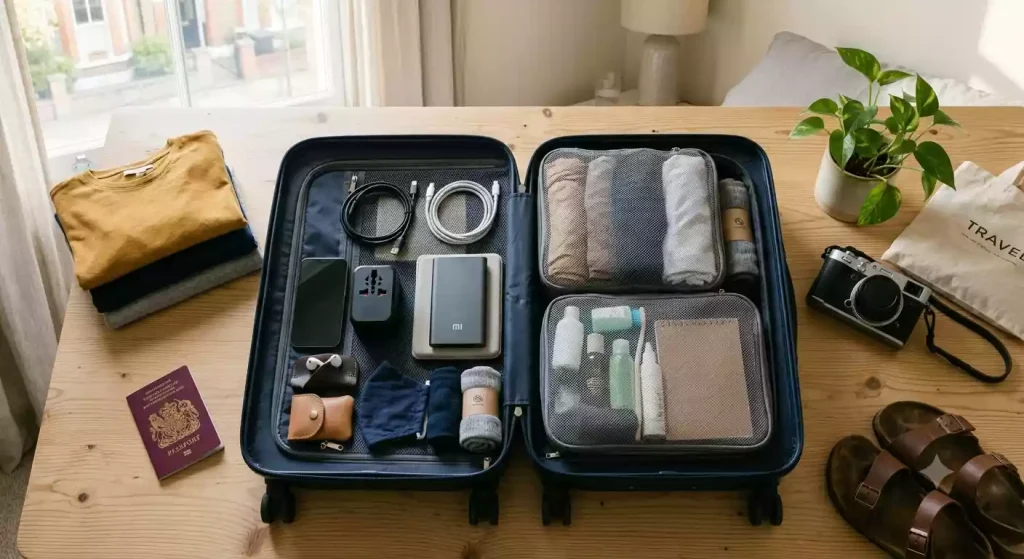
Modern travel runs on devices, and forgetting a charger is consistently one of the top packing mistakes reported by frequent travelers.
- Phone and charger
- Power bank, charged before departure
- Laptop or tablet, if needed for the trip
- Camera and extra memory cards
- Headphones
- A universal travel adapter — check your destination’s plug type before you leave, not after you arrive
Charge every device fully the night before departure. Airport delays and long layovers drain batteries faster than expected, and not every gate has accessible outlets.
Travel Health and Safety Kit
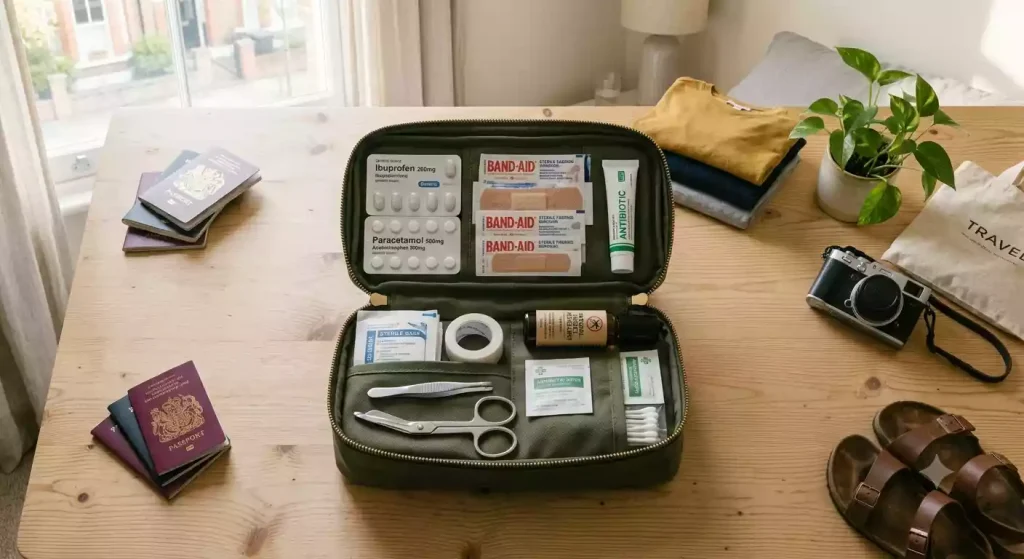
A compact health kit avoids the need to find a pharmacy in an unfamiliar city, particularly outside major tourist areas where English-language service isn’t guaranteed.
- Prescription medications, in original labeled packaging
- Pain relievers and allergy medication
- Motion sickness medicine, if relevant
- Band-aids and antiseptic wipes
- Insect repellent
If you take prescription medication, carry a copy of the prescription itself. Some countries have strict import rules on specific medications, and proof of a legitimate prescription can prevent problems at customs.
Carry-On Essentials
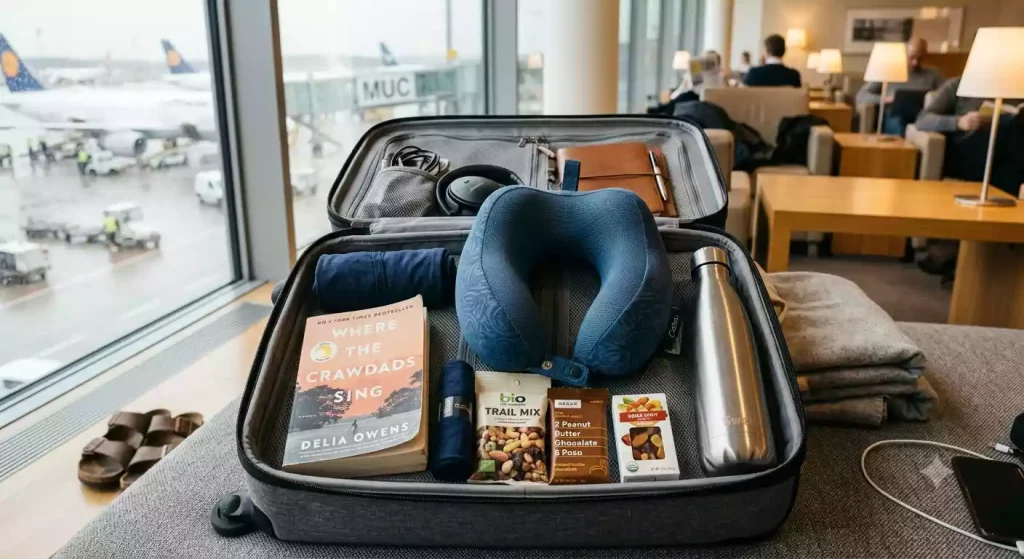
Your carry-on should function as a self-contained kit in case checked luggage is delayed or lost. This happens more often on connecting international flights than most travelers expect.
- Passport and wallet
- Phone and chargers
- Any medication you need daily
- An empty water bottle to fill after security
- Snacks for long layovers
- A travel pillow, for overnight flights
- One change of clothing, packed exactly for this scenario
International Travel Packing Tips
International trips add a layer of preparation that domestic trips don’t require.
- Local currency or a travel-friendly debit card with low foreign transaction fees
- An international driving permit, if you plan to rent a car
- The correct power adapter for your destination
- Offline translation apps, downloaded before departure
- Printed addresses for your accommodation, in the local language if possible
For everything specific to a first international trip — visas, customs, and cultural preparation — see our How to Plan an International Trip for the First Time.
Packing for Specific Trip Types
Beach and Island Vacations
Swimsuits, reef-safe sunscreen, and flip-flops are non-negotiable. For destinations like Bali, Santorini, or the Maldives, pack lightweight fabrics that dry quickly, since humidity and repeated swimming make heavier fabrics impractical. See our Maldives Travel Guide and Santorini Travel Guide for destination-specific packing context.
You May Also Like



Business Travel
Professional attire, business cards, and a reliable portable charger matter more here than volume of clothing. One well-chosen outfit repeated with different accessories reads better than five mediocre options.
Adventure and Outdoor Travel
Broken-in hiking boots, weather-appropriate outdoor clothing, a basic first-aid kit, and a reusable water bottle are the core of any adventure packing list, regardless of specific destination.
Smart Packing Strategies
A few techniques consistently save space without sacrificing what you actually need:
- Roll clothes instead of folding — it reduces wrinkles and saves noticeable space
- Use packing cubes to separate categories and compress soft items
- Wear your bulkiest item (coat, boots) during transit instead of packing it
- Limit duplicate items — one versatile jacket beats three specialized ones
- Choose multi-purpose clothing that works for both daytime and evening wear
These methods can be the difference between a carry-on-only trip and an unnecessary checked-bag fee. For a full breakdown of fitting a longer trip into one bag, this framework applies just as well to a week as it does to two.
Common Packing Mistakes to Avoid
Even experienced travelers repeat the same handful of mistakes:
- Packing too many clothing options “just in case”
- Forgetting the charger for a specific device, not just the phone
- Ignoring the actual weather forecast in favor of the destination’s general reputation
- Packing items prohibited by airline security regulations
- Leaving critical documents in a bag that ends up checked instead of carried on
- Not checking the airline’s specific baggage weight and size policy before departure
Reviewing your checklist once, the night before departure, catches the vast majority of these before they become a problem at the airport. For more on avoiding costly errors beyond packing, see our Common Travel Mistakes and How to Avoid Them.
Frequently Asked Questions
What is the 100ml liquid rule for carry-on luggage?
Most countries limit carry-on liquids to containers of 100ml (3.4oz) or less, all fitting inside a single clear, resealable quart-sized bag. Anything larger needs to go in checked luggage.
How do I avoid overpacking?
Lay out everything you plan to bring, then remove about a third of it. Choose clothing that mixes and matches rather than single-use outfits, and repeat a few versatile pieces instead of packing something new for every day.
What should always go in a carry-on instead of checked luggage?
Passport, medication, chargers, and one change of clothing should always stay in your carry-on, in case checked luggage is delayed or lost.
Do I need a physical copy of my travel insurance and passport?
Yes, alongside a digital copy saved in cloud storage. If the physical copy is lost, having a scanned backup can significantly speed up replacement at an embassy or consulate.
What’s the most commonly forgotten item when packing?
Chargers and adapters are consistently the most forgotten items, largely because they’re small and easy to overlook while focusing on clothing.
How far in advance should I start packing?
Starting a checklist a few days before departure, rather than the night before, gives enough time to notice gaps — like a missing adapter or expired medication — while there’s still time to fix them.
Final Thoughts
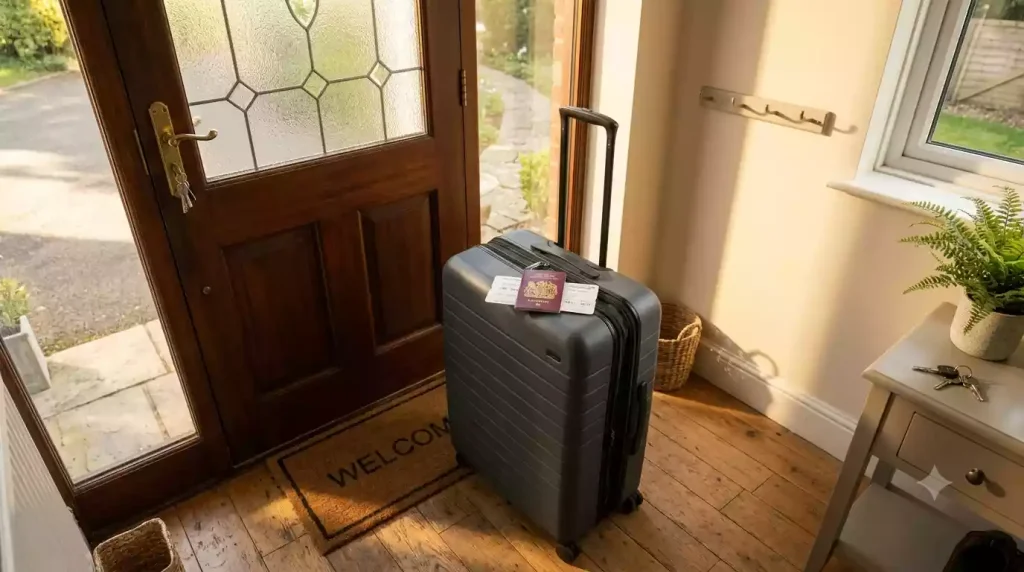
A good travel packing checklist isn’t about packing more carefully out of anxiety — it’s about removing decisions you don’t need to make twice. Documents first, versatile clothing second, and a carry-on built to survive a worst-case scenario. Everything else is refinement based on where you’re actually going.
Related reading: How to Create the Perfect Travel Itinerary, How to Find Cheap Flights and Hotel Deals, and Common Travel Mistakes and How to Avoid Them.