
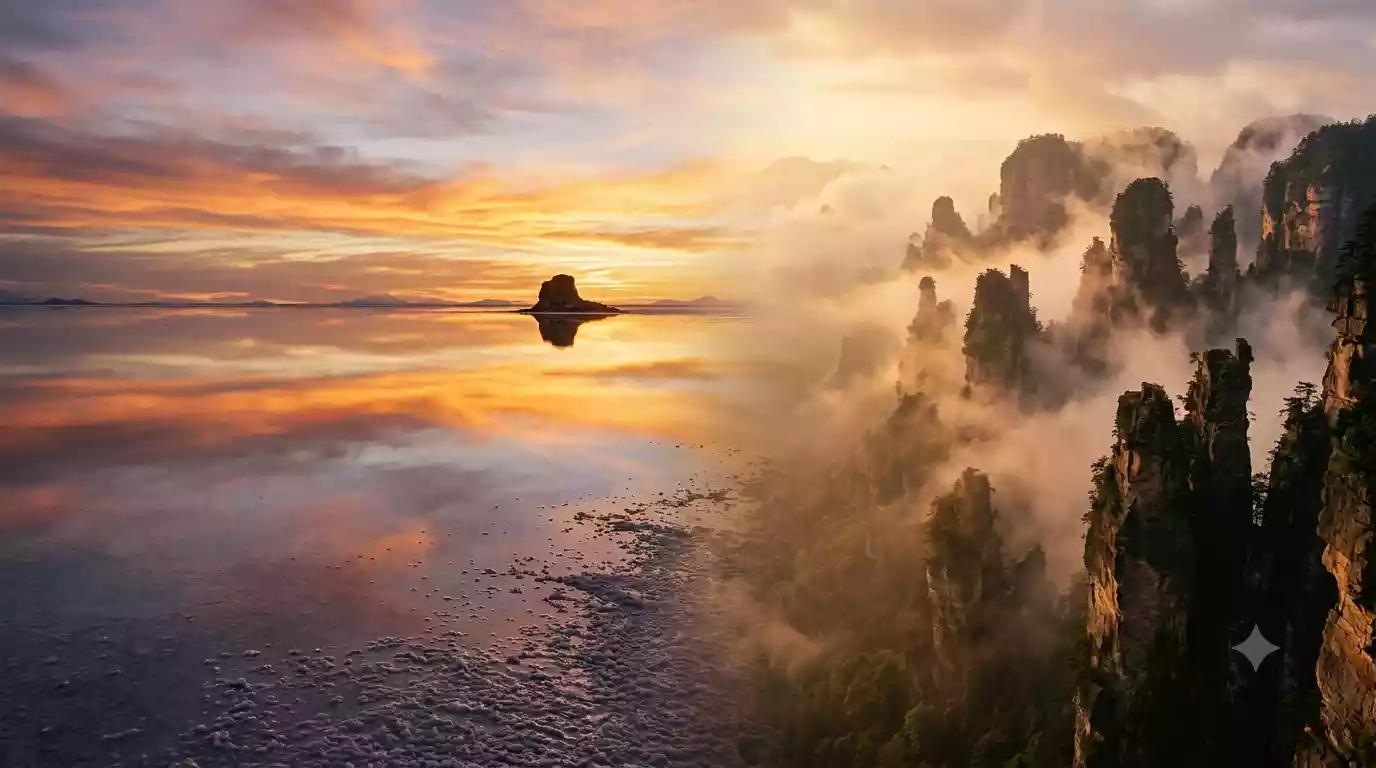
From Bolivia’s mirror-flat salt desert to China’s mist-wrapped stone pillars — real practical details on when to go, what it costs, and what each place is actually like once you’re standing in front of it.
Most “natural wonders” roundups stop at describing how a place looks. This one goes a step further: alongside the landscape itself, each entry below covers what it actually takes to get there — the season that matters, the permit or booking window, and the detail that trips up first-time visitors most often. Some of these destinations already have full guides on this site; where they do, they’re linked below rather than repeated.
1. Salar de Uyuni, Bolivia
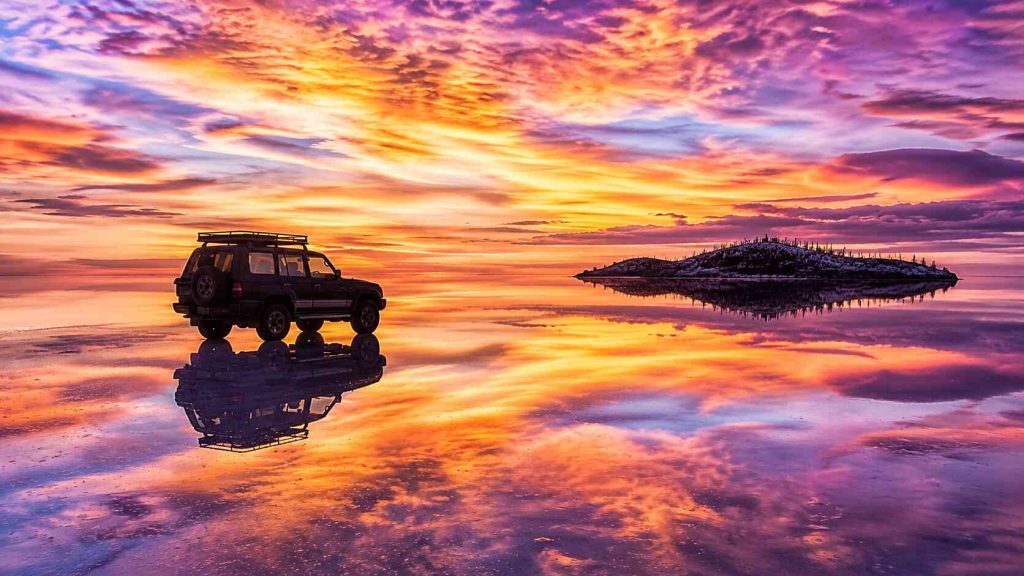
At over 10,000 square kilometers, Salar de Uyuni is the world’s largest salt flat, and its defining feature depends entirely on timing. During the wet season (roughly December to April), a thin layer of rainwater turns the entire surface into a near-perfect mirror, doubling the sky underfoot. In the dry months (May to November), that mirror effect disappears, replaced by the flat’s geometric salt-crust patterns — a completely different, equally photogenic look. Neither season is objectively “better”; they’re just different trips.
Full planning details, including how to reach the flat and which nearby lagoons to add on, are in our Salar de Uyuni Bolivia Salt Flats Guide.
2. Antelope Canyon, Arizona, USA
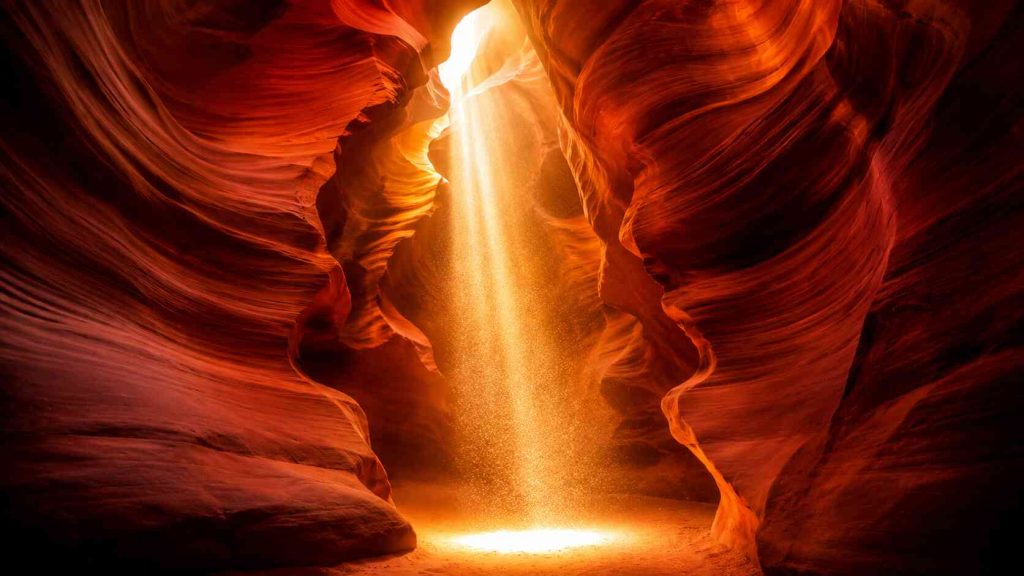
Antelope Canyon’s sandstone corridors were carved by centuries of flash flooding, and the wave-like curves that made it internet-famous are real, not a lens trick. The catch is access: the canyon sits on Navajo Nation land and can only be visited with a licensed guide, with tour slots limited and frequently sold out weeks ahead during the busiest months. The well-known midday light beams are a real phenomenon, but they only appear for a narrow window around midday in spring and summer, and only in Upper Antelope Canyon — a detail that surprises a lot of first-time visitors who book the wrong section or the wrong time slot.
Our full Antelope Canyon Tour Guide covers exactly which tour and time slot to book.
3. Plitvice Lakes National Park, Croatia
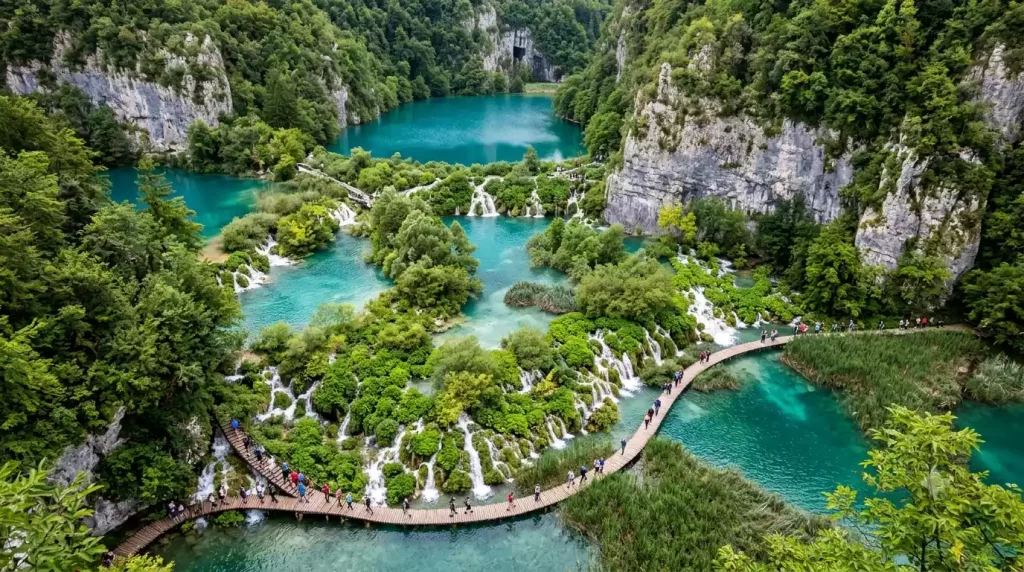
Plitvice is a chain of 16 terraced lakes connected by more than 90 waterfalls, linked together by wooden boardwalks that let visitors walk directly over and alongside the water rather than viewing it from a distance. The park’s mineral-rich water is what produces its distinctive turquoise color, and that color shifts noticeably with the seasons — more vivid in late spring and early autumn, murkier after heavy rain. It’s a full-day visit rather than a quick stop; the boardwalk network covers several kilometers, and rushing it defeats the point.
4. Machu Picchu, Peru
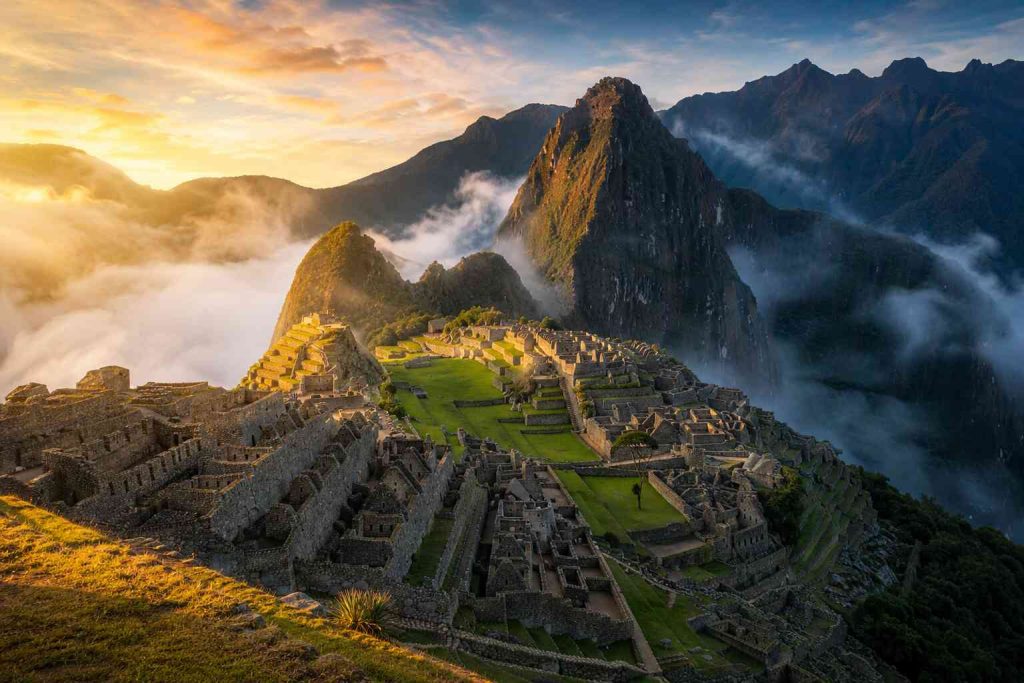
Machu Picchu’s setting does as much work as the ruins themselves — the Incan citadel sits at roughly 2,430 meters, wrapped by cloud forest and steep Andean peaks that are frequently shrouded in shifting mist through the morning. Access is now tightly controlled: entry tickets are timed and capped, and the classic four-day Inca Trail hike requires a permit booked months in advance during peak season. May through September is the driest stretch and the most reliable for trail conditions, though it’s also the most crowded window.
See our full Machu Picchu Travel Guide for ticket types, trail permits, and altitude acclimatization advice.
5. Banff National Park, Canada
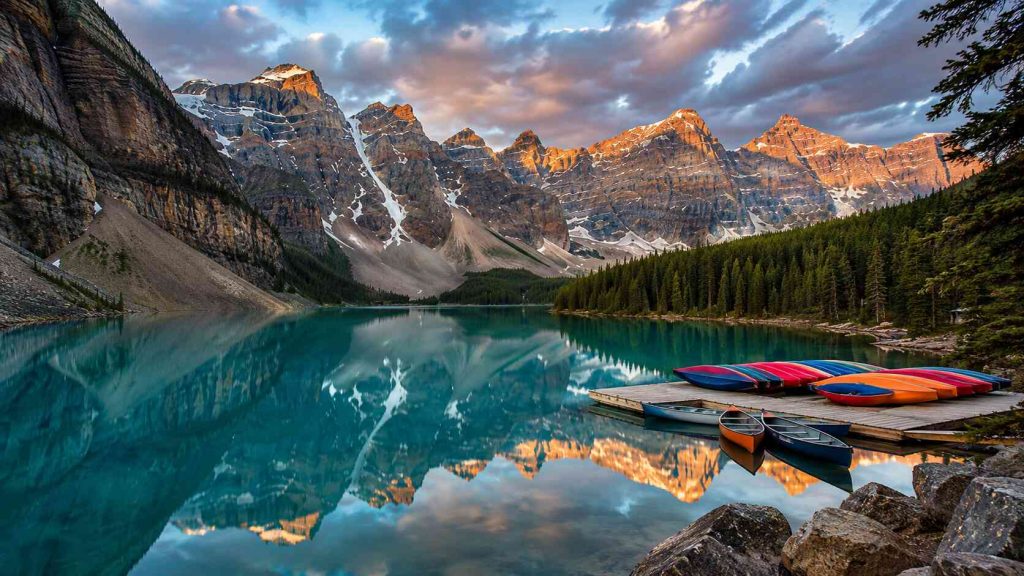
Banff’s reputation rests on a small handful of specific spots — Lake Louise and Moraine Lake chief among them — and both get genuinely crowded by mid-morning in summer, to the point that parking lots close once full. Arriving before 7am is less a tip and more a requirement during July and August. The Icefields Parkway connecting Banff to Jasper is one of the most scenic drives in North America, and Johnston Canyon’s catwalk trail to its lower and upper falls is a manageable half-day hike suited to most fitness levels.
6. Santorini, Greece
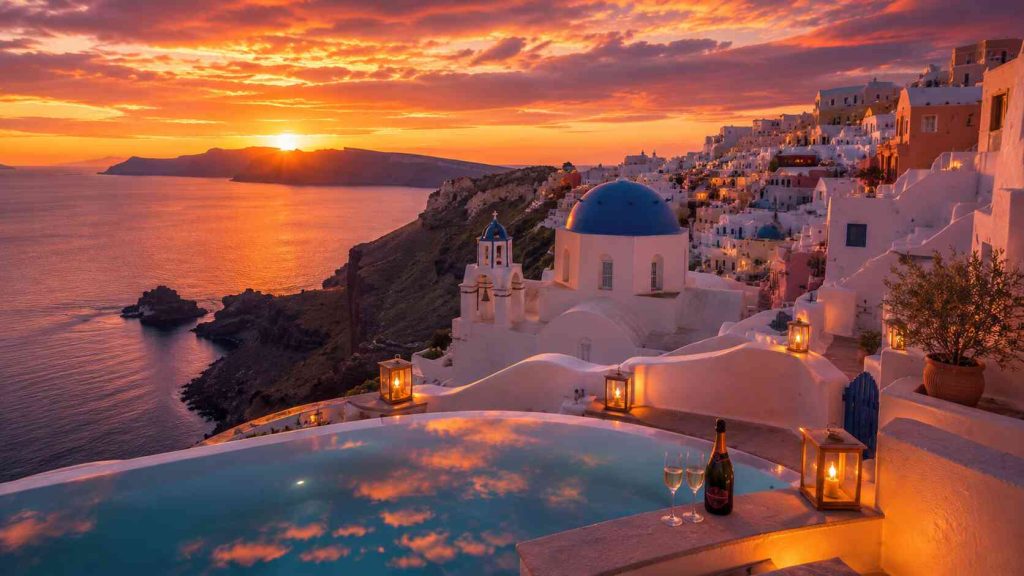
Santorini’s cliffs are the visible remnant of a volcanic caldera that collapsed roughly 3,600 years ago, and that geological history is the reason the island looks the way it does — sheer 300-400 meter drops to the Aegean, with the villages of Oia and Fira built directly along the rim. The natural drama here comes with real practical trade-offs: July and August bring extreme crowds at sunset viewpoints, and the island’s volcanic beaches (black sand at Perissa, red cliffs at Red Beach) are a genuinely different experience from a typical soft-sand coastline.
For a full breakdown of when to go and how to plan around the crowds, see our Santorini Travel Guide.
7. Great Barrier Reef, Australia
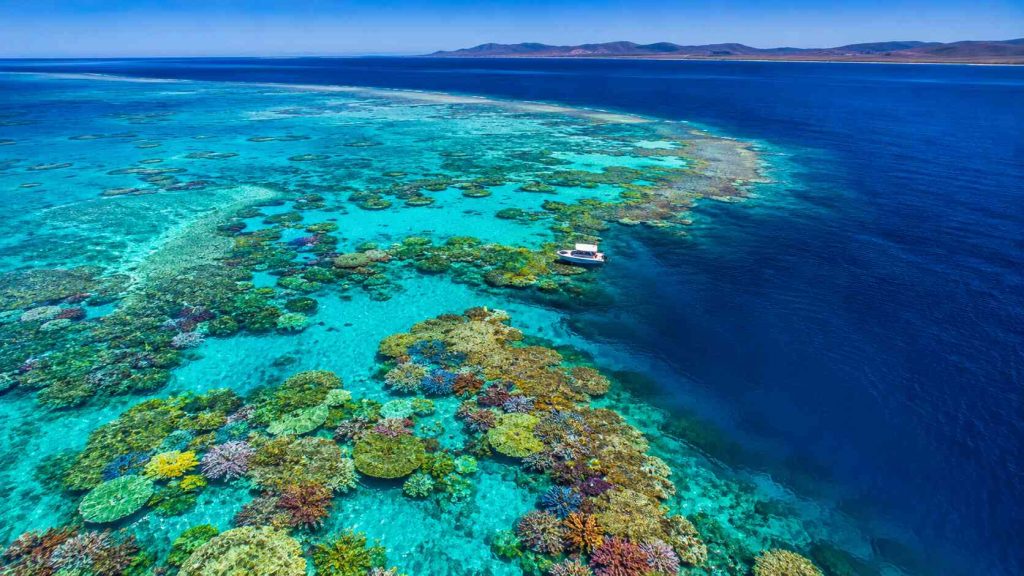
The Great Barrier Reef stretches over 2,300 kilometers along Australia’s northeast coast — the largest coral reef system on the planet, and one that’s been under sustained pressure from coral bleaching events tied to rising ocean temperatures in recent years. That reality is worth acknowledging rather than glossing over: reef health varies significantly by section, and choosing an operator that actively supports reef conservation and visits healthier outer-reef sites makes a genuine difference to what you’ll actually see underwater.
8. Zhangjiajie National Forest Park, China
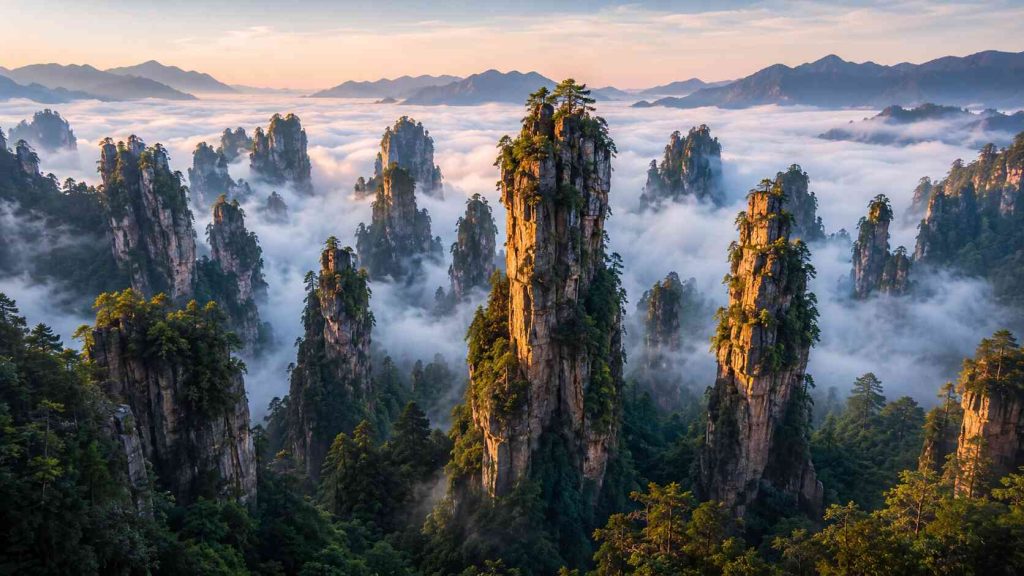
Zhangjiajie’s quartz-sandstone pillars — some rising past 1,000 meters — are frequently described as the visual reference for the floating Hallelujah Mountains in Avatar. The film wasn’t shot here, and director James Cameron never explicitly confirmed the connection, but the park’s production-team visit and the resulting 2010 renaming of one pillar to “Avatar Hallelujah Mountain” is well documented, and it’s become the park’s biggest draw regardless of how literally the inspiration is taken. The Bailong Elevator — the world’s tallest outdoor lift — and a glass-floored skywalk are the park’s two most talked-about additions; both come with separate ticket costs on top of general park entry.
9. Iceland’s Golden Circle
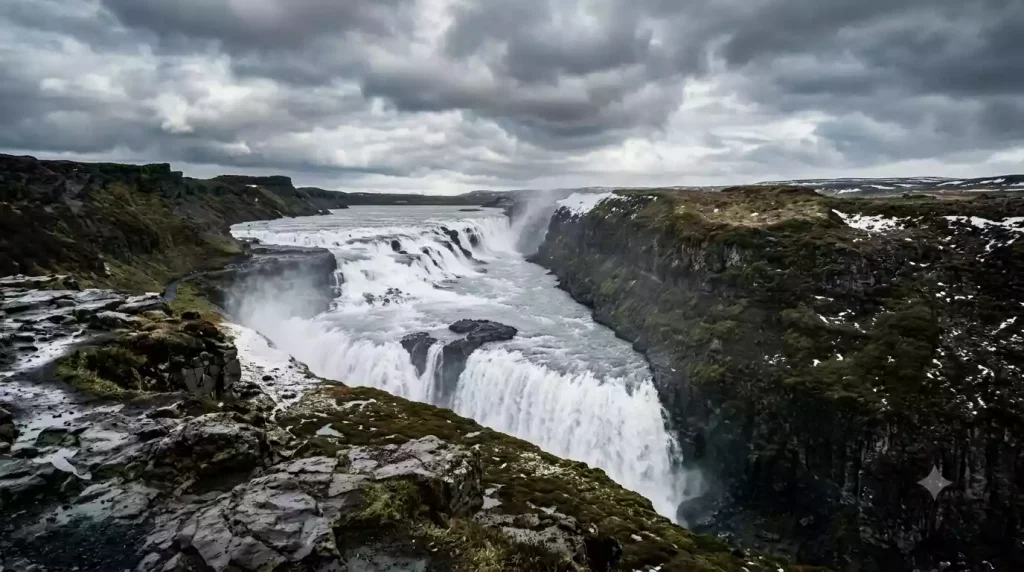
The Golden Circle route strings together three very different sights within about a 300-kilometer loop from Reykjavik: Thingvellir National Park, where the Eurasian and North American tectonic plates are visibly pulling apart; Geysir, the geothermal field that gave the English word “geyser” its name; and Gullfoss, a two-tiered waterfall that’s genuinely difficult to photograph at full scale. It’s a manageable single-day drive, though pairing it with an overnight allows time to add the Northern Lights (best viewed September through March) without rushing the daylight stops.
10. Ha Long Bay, Vietnam
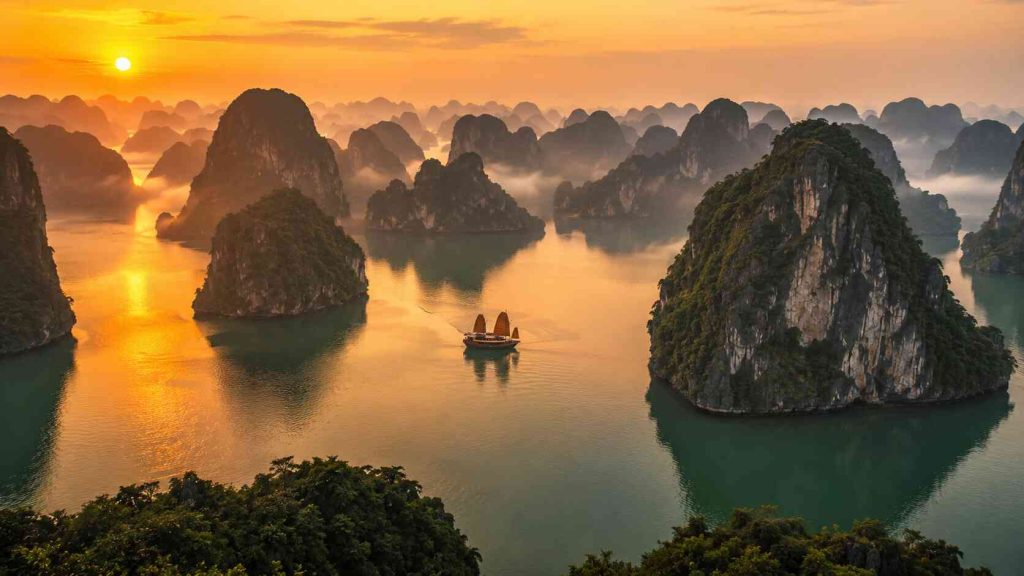
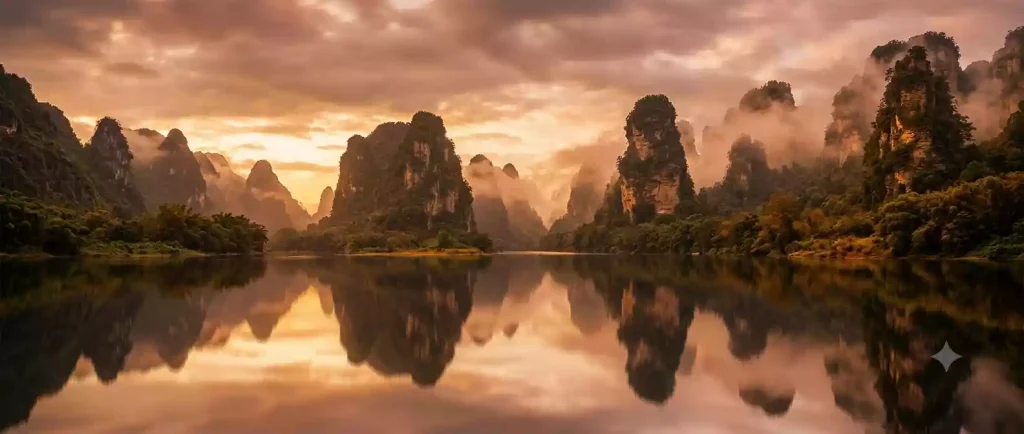
Ha Long Bay’s nearly 2,000 limestone karsts rising out of emerald water are best experienced from an overnight cruise rather than a single day trip — the bay is large enough that a day visit only really covers a fraction of it, and the early morning and late afternoon light on the water is when the setting looks most like its photographs. Kayaking into the bay’s hidden caves and grottoes is the most consistently recommended add-on activity, and it’s worth booking through an operator with a smaller boat, since some of the narrower cave entrances aren’t accessible to larger cruise vessels.
For more of Southeast Asia’s natural landscapes beyond Vietnam, see our 7 Best Nature Tourism Spots in Jogja, Indonesia.
Planning Around These Destinations
A handful of these entries — Salar de Uyuni, Antelope Canyon, Machu Picchu, and Santorini — have full dedicated guides linked above, since each involves specific booking windows or permits worth getting right before you travel. For a broader list of destinations to build a 2026 trip around, see our 7 Best Natural Tourist Destinations in the World and 10 Most Beautiful Natural Wonders in the World, or start broader still with our Must-Visit Destinations in 2026.
Frequently Asked Questions
What is the best time of year to see the mirror effect at Salar de Uyuni?
Roughly December through April, during Bolivia’s wet season, when a thin layer of rainwater creates the mirror-like reflection the salt flat is known for.
Do I need a permit to visit Antelope Canyon?
You don’t need a personal permit, but the canyon can only be visited with a licensed Navajo guide, and tour slots should be booked well in advance, especially for the light-beam season in spring and summer.
You May Also Like



Is the Inca Trail to Machu Picchu difficult to book?
Yes — permits are limited and often sell out months ahead during peak season (May through September), so booking early is essential if the four-day trail is part of the plan.
Did Zhangjiajie actually inspire the movie Avatar?
The connection is widely reported and tied to a 2008 location-scouting visit, though James Cameron never explicitly confirmed it as a direct inspiration, and the film wasn’t shot there. The park’s “Avatar Hallelujah Mountain” pillar was named afterward, largely for tourism purposes.
Is the Great Barrier Reef still worth visiting given coral bleaching concerns?
Yes, though reef health varies significantly by location — choosing an operator that visits healthier outer-reef sections and supports conservation efforts makes a real difference to the experience.
How many days should I spend at Ha Long Bay?
An overnight cruise (one to two nights) is generally recommended over a single day trip, since the bay is large enough that a day visit only covers a small portion of it.
When is the best time to see the Northern Lights on Iceland’s Golden Circle route?
September through March offers the darkest skies and best odds, though clear, cloudless conditions matter as much as the calendar date.
Is Santorini crowded year-round?
No — July and August bring the heaviest crowds, particularly at sunset viewpoints, while April through June and September through October offer a much calmer experience with similar weather.
Final Thoughts
What separates a good trip to any of these places from a frustrating one usually isn’t the destination itself — it’s whether the season, permit, or booking window was handled correctly beforehand. Salar de Uyuni’s mirror effect, Antelope Canyon’s light beams, and Machu Picchu’s trail permits are all genuinely time-sensitive in ways that aren’t obvious until you’re already trying to book around them. Building the trip around the destination’s actual constraints, rather than a generic “anytime works” assumption, is what turns a natural wonder from a photo you’ve seen online into a place you actually experienced well.